
Faith Deconstruction and Therapy: What Happens When Your Beliefs No Longer Fit
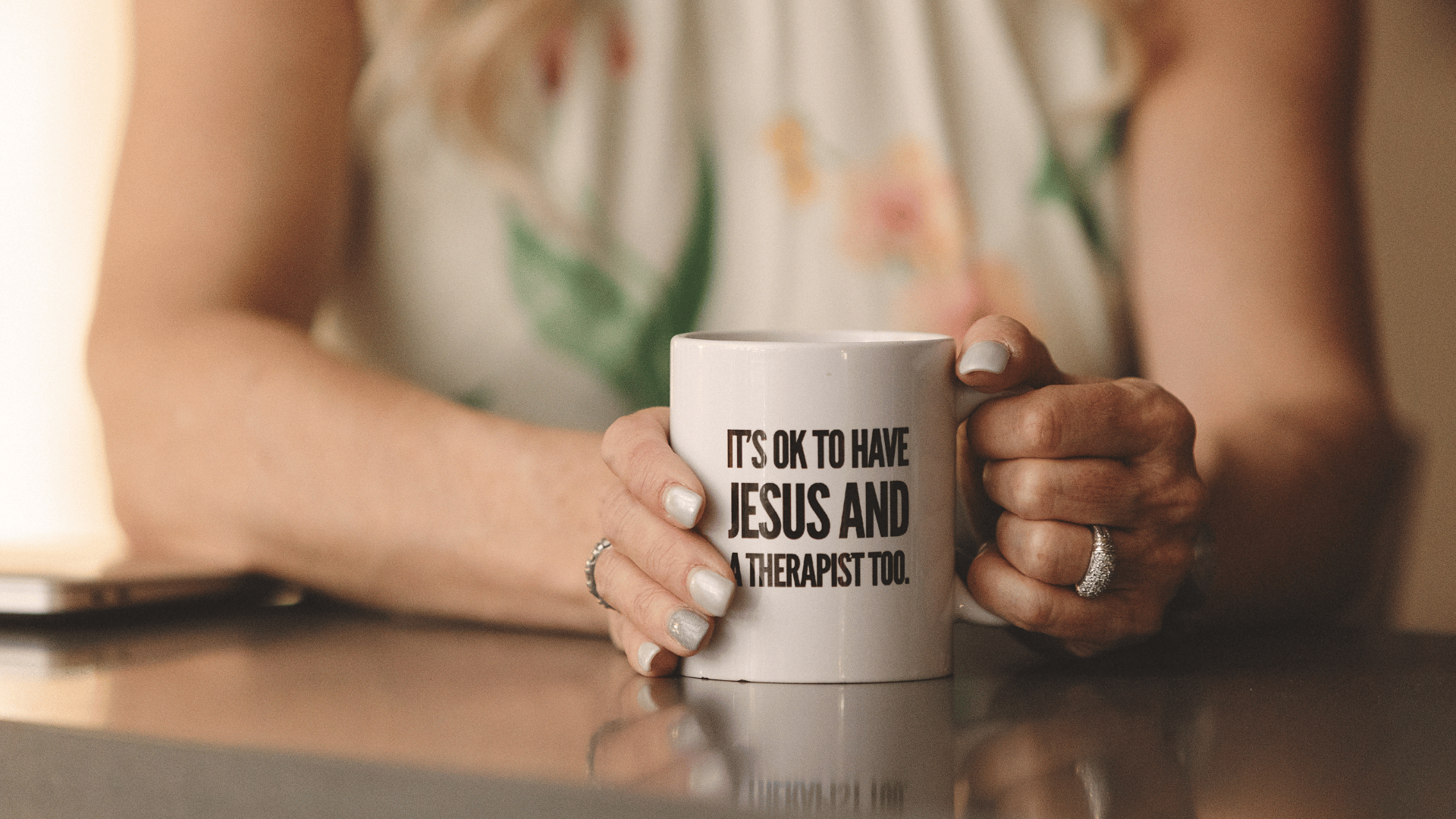
Sometimes faith deconstruction does not begin with a dramatic decision. It begins quietly. A question you cannot unhear. A belief that no longer makes sense in your body. A growing discomfort with the roles, expectations, or certainties you were taught to carry. For many women, it is not just a theological shift. It is an identity shift, a relationship shift, and a belonging shift all at once. Pew Research reports that 35% of U.S. adults no longer identify with the religion in which they were raised, which means this experience is far more common than many people realize.
When your beliefs no longer fit, it can feel disorienting. You may still care about parts of your faith tradition. You may still love the people in it. You may still want God, spirituality, meaning, or connection. But something about the old framework no longer feels honest. Therapy can be a place to sort through that without pressure to perform certainty before you are ready. Research and clinical guidance from the APA note that leaving organized religion can create distress while people rebuild meaning, community, and identity.
What Faith Deconstruction Actually Means
Faith deconstruction is the process of reexamining beliefs, values, assumptions, and religious systems that may have once felt settled. For some people, that leads to leaving a faith tradition entirely. For others, it means staying but with a very different perspective. Some become more spiritual and less institutional. Others let go of religion altogether. There is no single correct ending. The common thread is that something inherited is being questioned honestly. The APA’s coverage of life after religion reflects that this process often involves rebuilding beliefs and meaning structures, not simply rejecting them.
That distinction matters. Faith deconstruction is often misunderstood as rebellion, bitterness, or a trend. In reality, it is often a deeply sincere attempt to tell the truth. It can come from pain, but it can also come from maturity, reflection, experience, and the realization that what once held you no longer does.
It Is Not Just About Belief. It Is About Belonging
One of the hardest parts of deconstruction is that faith is rarely just personal. It is often woven into family, marriage, friendships, community, culture, and identity. When your beliefs begin to shift, it can affect the way you relate to the people around you. You may worry about disappointing your parents, straining your marriage, confusing your children, or losing your place in a community that once felt like home. Pew’s recent reporting on religious switching underscores how often religious identity changes are tied to broader social and generational patterns, not isolated private choices.
That is part of what makes this so lonely. You are not only asking, “What do I believe now?” You may also be asking, “Who am I if this changes?” and “Where do I belong if I no longer fit here the same way?”
Why Faith Deconstruction Can Feel So Emotionally Disorienting
Faith deconstruction can stir up grief, guilt, anger, fear, confusion, relief, and freedom, sometimes all at the same time. You may feel sad about what you are losing and relieved to finally admit what has not felt true for a long time. You may feel angry about harm or pressure you experienced and still miss the comfort of certainty. That emotional complexity is normal. APA reporting on people leaving organized religion describes a similar mix of distress, identity disruption, and meaning reconstruction.
Part of the disorientation comes from how many layers are involved. Faith often shapes morality, relationships, gender roles, conflict, sexuality, obedience, purpose, and worth. So when it shifts, it is rarely just one compartment of life. It can touch nearly everything.
What Therapy Can Help You Untangle
Therapy can help you sort through what is yours and what was handed to you. That may include beliefs, expectations, fears, shame, people-pleasing, perfectionism, or the pressure to stay loyal to a version of yourself that no longer feels honest. It can also help you process grief around lost certainty, strained relationships, or community shifts.
This is where therapy can be especially helpful during deconstruction. You do not need someone to argue you into or out of a belief system. You need space to think clearly, feel honestly, and notice how old frameworks may still be shaping your anxiety, boundaries, self-worth, or relationships. When the work is done well, therapy can help you separate your own voice from inherited pressure.
When Faith Has Shaped the Way You See Yourself
For many women, faith was never just about church attendance or theology. It shaped identity. It influenced what it meant to be good, worthy, feminine, obedient, safe, desirable, selfless, strong, quiet, forgiving, or pure. It shaped how conflict was handled, how needs were expressed, how bodies were viewed, and how much permission you had to trust yourself.
So when beliefs begin to shift, the question is often larger than “Do I still believe this doctrine?” It can become, “What do I believe about myself now?” That is where therapy becomes more than a place to process ideas. It becomes a place to rebuild self-trust.
Faith Deconstruction Does Not Always Mean Losing Spirituality
This is an important distinction. Deconstruction does not always end in unbelief. Some people leave institutional religion but remain deeply spiritual. Some keep a Christian faith while letting go of legalism, fear, or rigid systems. Some step away from both religion and spirituality. A large review in the medical literature notes that spirituality and religiousness can affect mental health in different ways depending on the context, the person, and the meaning attached to those beliefs or practices.
That is one reason this work should not be approached with a rigid agenda. Therapy should not demand a destination from you before you have even had room to explore the questions. The point is not to force certainty. The point is honesty.
What Makes Faith Deconstruction So Hard in Relationships
Relationships often become one of the most painful parts of deconstruction. You may feel caught between being honest and keeping the peace. You may worry that if you say what is true, you will disappoint people you love or create conflict you do not feel ready for. In marriages and families, changing beliefs can affect parenting, holidays, community choices, intimacy, and daily life.
Many women learn to stay quiet because conflict feels too costly. They edit themselves to preserve belonging. Therapy can help you understand those patterns and begin building the boundaries, language, and internal steadiness needed to navigate them more clearly.
You Do Not Need to Rush Yourself Into a New Identity
When old certainty breaks down, there can be pressure to replace it quickly. To land somewhere new. To define yourself clearly. To explain your position in a way that makes everyone else comfortable.
But not knowing yet does not mean you are failing.
Sometimes therapy is most helpful because it gives you room to pause. To let ambiguity exist without treating it like an emergency. To notice what still feels true, what no longer does, and what might take longer to understand. You do not need to force a new identity just because the old one is changing.
Signs Therapy Could Help During Faith Deconstruction
Therapy may be helpful if:
your questions are creating anxiety, guilt, or overwhelm
your relationships feel strained because your beliefs are shifting
you feel afraid of disappointing family or losing belonging
you are grieving a version of faith or community that once mattered deeply
you do not know what beliefs are truly yours
you want a place to process without being pushed toward an answer
The goal is not to speed you through the process. It is to support you as you move through it more honestly and with more care.
A Note About My Own Perspective
Because this part of the work is so personal, I think it matters to say this clearly: I am a Christian. That personal faith gives me lived context for many of the questions, tensions, language, and relationship dynamics that can show up in faith deconstruction. It helps me understand the emotional and cultural weight this process can carry.
It is not there to impose my worldview on your care.
My role is not to push you toward a belief system, defend one, or hand you my answers. My role is to help you sort through your experience with honesty, care, and clarity. For some clients, that means processing harm done in religious spaces. For others, it means rethinking inherited beliefs while still wanting a spiritual life. For others, it means not knowing yet what they believe at all. This is a space for exploration, not pressure.
Therapy Can Be a Place to Tell the Truth
One of the deepest gifts of therapy during faith deconstruction is that it can become a place where you stop performing certainty. You do not have to defend your questions. You do not have to explain everything perfectly. You do not have to decide all at once who you are becoming.
You can begin with what no longer fits.
And from there, you can start listening for what does.
If you are questioning what you believe, what you want to keep, or who you are becoming in the process, therapy can offer space to sort through it with honesty and care. You do not need to arrive with answers. You can begin with the questions.
